Tuesday, September 13, 2011

Pesticides in Food Linked to ADHD in Kids

A recent study found that non-organic foods, with pesticide residues, do significantly increase "children's risk of developing attention deficit hyperactivity disorder (ADHD), and could be causing an increase in the number of children living with the condition".

The Study
Researchers collected data from 1,140 children from a previous survey conducted in the US by Centers for Disease Control and Prevention's National Health and Nutrition Examination Survey.

Nearly 10% (119) of the children met the criteria for ADHD. Pesticide by-products in urine were part of the collected data.

The Results
"Children with substantially higher levels of a breakdown product of neurotoxic organophosphate pesticides were twice as likely to be diagnosed with ADHD."

According to the article, researchers concluded that "parents should buy organic for their kids." Although several studies have been conducted on the effects of pesticides on workers, this is the first study to look at effects, in children, of eating foods grown with pesticides.

The article points out something very interesting... something we have been telling the public for years: Some pesticides are "designed to attack the neurological systems of pests (unfortunately, they harm humans, too)". And "most people's exposure to them comes through food, drinking water, and residential pesticide use, according to the EPA."

The following statement is very powerful and troublesome:
"A 2008 U.S. Pesticide Residue Program Report found detectable concentrations of one organophosphate alone, malathion, in 28 percent of frozen blueberries, 25 percent of strawberries, and 19 percent of celery sampled. (Malathion is also commonly sprayed out of airplanes and onto communities as part of mosquito-control programs. Organophosphate pesticides, also found in some flea and tick products, have been tied to childhood leukemia, and are believed to be partially responsible for colony collapse disorder, which is killing off honeybees (who pollinate our food crops) at unprecedented rates."

Our Suggestion
Grow your own. At the very least, grow your own spices. Some fruits are easy to grow as well. If you are unable to grow your own, buy organic. Wash EVERYTHING VERY WELL, even what is grown at home. Washing and disinfecting becomes even more crucial when you are unable to grow your own or purchase organic fruits and vegetables.

There is little you can do to prevent exposure from airborne pollutants/pesticides. But, as this study suggests, most common exposure to these lethal chemicals is through food. This is something you can control - albeit, not eliminate.

Article:
[MSNBC.com]: Pesticides in food linked to ADHD in kids

Tuesday, July 26, 2011

Grocery Stores Central in Childhood Obesity

We recently read an article based on an initiative to make Philadelphia supermarkets healthier, in an attempt to reverse childhood obesity.

Obesity rates have more than quadrupled for children ages 6 to 11 and more than tripled for adolescents ages 12 to 19 in the past 40 years. Rates are more significant in the lower-income, multi-ethnic communities and neighborhoods - usually located in food deserts (areas with no easy access to healthy affordable food).

"If we don't reverse the epidemic, the current generation of young people could be the first generation in U.S. history to live sicker and die younger than their parents' generation," says the Philadelphia proposal.

Because full-service supermarkets and grocery stores offer large varieties of healthier foods compared with convenience stores, there is growing evidence that people who live more than a mile from a full-service grocery store are less likely to consume a healthy diet and more likely to be obese.

Almost 60% of shoppers say they spend most of their food-budget money in full-service grocery stores and over 90% of shoppers from households with children say they have shopped in a grocery store in the past 3 months (half the time accompanied by their children).

Supermarkets also help protect adolescents from becoming overweight. Additionally, there is a direct correlation between the presence of convenience stores and being overweight.

Conclusion: Grocery stores are "center stage" for combating and preventing childhood obesity.

Change Supermarket Design
Although, as mentioned above, there are advantages to having easy access to grocery stores, some experts believe they need to be rearranged. After all, remember that supermarkets are designed to sell inventory as fast, and in as large quantities as possible. They actually have ways of luring you into buying much more than what you've put on your shopping list - what you had planned.

Here are a few of the proposed changes for supermarkets:
The initiative proposes things like moving sodas and chips from the end of isles (highly visible and very easy to access) and removing sugary cereals from the bottom shelves where little kids can most easily see and grab them. Another proposed change is to place healthy and unhealthy items next to each other.

Why are these Changes Needed?
The following is a very powerful statement taken directly from the article:
"Self-checkout doesn't have the gauntlet of candy bars. Some industry consultants calculated that an average American woman could lose four pounds a year just going through self-checkout."

This is proof that people are lured into buying and consuming items they did not intend to buy. One of the references used for our "Scientific Reasoning Behind Drinking Diet Soda" says that certain foods are as addictive as some illegal drugs.

We agree that placing addictive items at arms' reach of kids, and enticing buyers is a huge factor in the current obesity trend seen across the world (not just the US). Changing displays and updating item locations can be a huge aid. It will be interesting to see how far this initiative gets... All of these changes affect the stores' bottom line.

We invite you to read the following two articles. They expose manufacturers and their use of food labels to make their products look healthier than they really are:

Subliminal Messages in Food Labels
Subliminal Messages in Food Labels II

Article:
[Good.is]: Check Yourself Out! The Science of Supermarket Design

Download initiative (PDF - 29 pages)

Tuesday, July 5, 2011

Fish Oils Could Help with Mood and Alcoholism

Researchers at the Indiana University School of Medicine found a potential therapeutic benefit from fish oil supplements "for treating alcohol abuse and psychiatric disorders."

Mood Control
The study was a multi-year study in which mice were given omega-3 fatty acids. In mice with bipolar disorder, "The fatty acid DHA, which is one of the main active ingredients in fish oil, 'normalized their behavior,' according to Alexander B. Niculescu, M.D., Ph.D., associate professor of psychiatry and the lead author of the study."

They found that these mice would stop being depressed and did not become "manic" when stressed - unlike bipolar mice which are usually highly depressed and become readily manic under stress.

Dr. Niculescu also said that "When [they] looked into their brains, using comprehensive gene expression studies, we were surprised to see that genes that are known targets of psychiatric medications were modulated and normalized by DHA." This is molecular proof that dietary omega-3 influences gene expression in the brain.

Alcohol Consumption Control
Researchers also found that mice given DHA showed a reduced desire for alcohol.

"'These bipolar mice, like some bipolar patients, love alcohol. The mice on DHA drank much less; it curtailed their alcohol abusive behavior,' he said, adding that this is a completely novel finding."

A separate experiment was conducted on alcohol-loving mice. The researchers saw similar results.

Conclusion
Dr. Niculescu said that he believes a diet rich in omega-3 fatty acids may help the prevention of certain disorders, and could also help with alcoholism.

Learn more about EPA and DHA (Omega-3).

Article:
[ScienceDaily]: http://www.sciencedaily.com/releases/2011/05/110526091758.htm

Tuesday, June 28, 2011

Mexico's "Queso Fresco" has Antihypertensive Activity

A study was conducted by the Eastern Regional Research Center, Agricultural Research Service, US Department of Agriculture. They state that "Hispanic-style cheeses are one of the fastest growing varieties in the United States, making up approximately 2% of the total cheese production in this country. Queso Fresco is one of most popular Hispanic-style cheeses."

The Study
Proteins from 18 different "queso fresco" cheeses were analyzed for potential antihypertensive activity. 6 were Mexican-style "queso fresco," made from raw milk, 12 were made from pasteurized milk and did not utilize starter cultures.

Researchers were looking for the proteins' ability to inhibit the angiotensin-converting enzyme (ACE) - an enzyme that participates in vasoconstriction (narrowing of blood vessels).

Cheeses were aged, and proteins were extracted periodically.

The Results
All cheeses produced ACE-inhibiting proteins.

The 6 Mexican style "queso fresco" cheeses stood out, however - the proteins were found only a few days after being aged. The model cheeses, made from pasteurized milk, produced these same results "after 8 weeks of aging when they were no longer consumable."

Abstract:
[PubMed]: Short communication: Assessing antihypertensive activity in native and model Queso Fresco cheeses

Thursday, June 23, 2011

Intense Exercise Better Than Endurance Training

A recent study identified "high intensity exercise [to be] more beneficial than traditional endurance training" for those concerned about their cardiovascular health.

The study
47 boys and 10 girls volunteered for the study. The kids were randomly assigned to two groups - the moderate intensity group and the high intensity group.

Both groups performed 3 exercise sessions a week for 7 weeks. The moderate intensity group was asked to jog, non-stop, for 20 minutes while the high intensity group was asked to run a series of 20m sprints in a period of 30 seconds.

By the end of the study the moderate intensity group had 420 minutes of exercise and the high intensity group had only done 63 minutes. The moderate intensity group had burned an approximate 4,410kcals while the high intensity group had only burned 907.2kcals.

The Results
"The results revealed that both groups demonstrated improved CVD risk factors. However, the total exercise time over seven weeks was six times higher for the MOD group compared to the HIT group. Thus, significant improvements in CVD risk factors in the HIT group occurred in only 15% of the total exercise time."

This states that the body benefits MOST from high intensity training - kids in the high intensity group had same results in less than a fifth of the time as the kids in the moderate intensity group. This suggests that, "brief, intense exercise is a time efficient means for improving CVD risk factors in adolescents."

Article:
[Medical News Today]: Better A Sprint Than A Marathon: Brief Intense Exercise Better Than Endurance Training For CVD

Thursday, June 9, 2011

Roxarsone, Poultry, and Your Health

News that Roxarsone will no longer be used in poultry hit the web today.

Roxarsone is a 67 year-old drug that has been administered to poultry to protect it against certain diseases. Pfizer (Roxarsone's manufacturer), along with the FDA, opted to stop giving the medication to poultry because the compound contains levels of organic arsenic that can convert into inorganic arsenic which is known to cause certain cancers.

It doesn't look like there will be a recall of any chicken. "FDA officials stress that the levels of inorganic arsenic detected were very low and that continuing to eat chicken as 3-Nitro is suspended from the market does not pose a health risk." And really... why should there be a recall? We've been eating this junk for decades.

Is There a Cover-up on the Way?
We're not advocates of conspiracies but we did find it odd that for the first time, the Medical News Today displays a 404 (page not found) error when following links from Google and Twitter.

Here are three screen shots (one of Google, one of the tweet, and one of the page).

Google Results Screenshot


Tweet that Informed Us About this


Error Page on Medical News Today


Article:
[LA Times]: Arsenic-containing drug in chicken feed to be pulled from U.S.

Tuesday, June 7, 2011

Potassium-to-Sodium Ratio

Recent literary reviews suggest that salt balance may be key to preventing heart disease.

Literary Review
"Americans are consuming too much sodium and not enough potassium."

"This imbalance is taking a toll in the form of higher rates of heart disease and stroke, the first and third most deadly diseases in the U.S., respectively, according to the Centers for Disease Control and Prevention."

The article names some fruits and vegetables that are good potassium sources. The idea is that if you eat these foods you will increase your potassium intake, balancing your potassium-to-sodium ratio.

Why is this important? According to the article, recent scientific research suggests that it is low potassium-to-sodium ratio that damages the heart, and not necessarily a person's total sodium intake.

Article:
[Medical News Today]: High Potassium-To-Sodium Ratio May Reduce Risk Of Cardiovascular Disease

Tuesday, May 31, 2011

Experts Say You Should Keep Your Athletic Kids Away from Sports and Energy Drinks

Every child involved in sports will have a greater need of rehydration than kids who do not play sports.

A new report says that "there is nothing better than water for that."

Clinical Report
The clinical report, issued by AAP (American Academy of Pediatrics), says that "There is a lot of confusion about sports drinks and energy drinks, and adolescents are often unaware of the differences in these products. Some kids are drinking energy drinks - containing large amounts of caffeine - when their goal is simply to rehydrate after exercise. This means they are ingesting large amounts of caffeine and other stimulants, which can be dangerous."

The report then describes sports drinks and energy drinks.

  • "Sports Drinks - these contain carbohydrates, electrolytes, flavoring and minerals. They are supposed to replace electrolytes and water lost through sweating. Young athletes who are involved in vigorous and prolonged sports may benefit from sports drinks. However, in the majority of cases they are unnecessary."

  • "Energy Drinks - these contain stimulants, such as taurine, guarana and caffeine. Caffeine has been associated with several damaging effects on children, effects which may harm the child's cardiovascular and developing neurologic systems. Energy drinks are totally unsuitable for children and teenagers."

Important points to take home from the above descriptions are that sports drinks are usually unnecessary (we would venture to say ALWAYS unnecessary), and that "energy drinks are totally unsuitable for children and teenagers."

Remember that: "In many cases, it's hard to tell how much caffeine is in a product by looking at the label. Some cans or bottles of energy drinks can have more than 500 mg of caffeine, which is the equivalent of 14 cans of soda" and that: "The carbohydrates in sports drinks may contribute to overweight and obesity risk. There is also the problem of dental erosion."

VitaminWater
On August 5th of 2010 we discussed a Negative Article About VitaminWater on Well-known Newspaper. So no... Your kids should not be drinking VitaminWater either.

After all, did you know that Coca-Cola lawyers say that "no consumer could reasonably be misled into thinking vitaminwater was a healthy beverage." Meaning that there is no reason anyone should think VitaminWater is healthy.

Article:
[Medical News Today]: Energy Drinks Contain Substances That Can Harm Sporty Children

Tuesday, May 24, 2011

INSANE: Doctors Testing Diabetes Medication to Prevent Overweight Newborns

We could hardly believe it when we first read this...

According to the article, a doctor would like to use metformin, a diabetes medication, to prevent the birth of an overweight child. The reasoning behind this INSANE trial is to "keep potentially pudgy babies from tipping the scales too high at birth, which can expose them — and their moms — to serious complications and lifelong problems".

The Study
There are 75 women in the study group currently but the goal is to reach 2,178 and have the trial conducted by different doctors in eight different sites.

The women will be split into two groups. Both groups will follow a diet and exercise routine but one group will be given 300mg of metformin each day while the second group receives a placebo.

The study hasn't been completed so no results have been posted. But the doctor behind this trial hopes to have a significantly lower newborn obesity rate in the group taking the medication than the group taking the placebo.

Our Reaction
OMG! This lady should have her medical license taken away from her!

Here's why... Metformin "decreases the amount of glucose you absorb from your food and the amount of glucose made by your liver."[1]

This doctor lacks logic. What's more shocking is that women actually signed up to be a part of this study!

How ironic is it that metformin could lead to hypoglycemia (low blood sugar) which could, in turn, lead to hunger?

Fiber slows down the rate of sugar absorption in the intestine... What ever happened to telling pregnant women not to eat junk food? How about recommending a diet based on the glycemic index? We don't know if fiber of the glycemic index are the answers... But we KNOW medication that carries long-term risks is not the answer (this according to experts interviewed for the article).

Article:
[MSNBC]: Obese fetus? Let mom pop a pill, doc says

References:
[1] PubMed Health - Metformin

Saturday, May 21, 2011

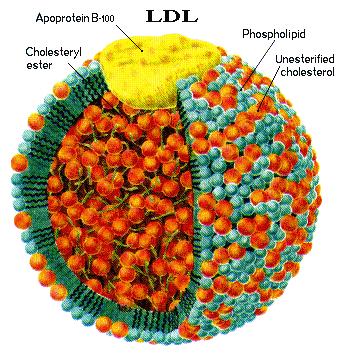
Turns out "Bad" Cholesterol isn't so Bad Afterall

A Texas A&M study suggests that LDL isn't as bad as it has been made out to be. Researches said that new attitudes need to be adopted with regard to LDL.

The Study
52 healthy adults, ages 60 to 69, with no physical activity were told to do vigorous workouts. After the workout, those with higher muscle mass were the ones with the highest levels of LDL (the "bad cholesterol").

What the Scientists Concluded
"It shows you do need a certain amount of LDL to gain more muscle mass. There's no doubt you need both - the LDL and the HDL - and the truth is, it [cholesterol] is all good. You simply can't remove the 'bad cholesterol' from your body without serious problems occurring."

"...the more LDL you have in your blood, the better you are able to build muscle during resistance training."

Link to article:
[Medical News Today]: Study Suggests That 'Bad' Cholesterol Is Not As Bad As People Think

Thursday, May 19, 2011

Some Obese Kids in Mexico Now Face Health Risks

Schools in Xalapa Mexico reported that 60% of children were overweight or obese. This prompted researchers from the state's university to conduct a study with children young enough to be in elementary school.

In their study, they found that 11 and 12 year olds showed early signs of risks associated with metabolic syndrome. The researchers established that as a child's age increases, so do problems related to weight and obesity, meaning that preschoolers have a less overweight rate but this changes when they get to elementary schools and junior high school.

The researchers noticed that bagged lunches may be the explanation. Kindergardeners are more likely to take prepared foods to school while older children are more likely to purchase food at schools. Almost no one takes a lunch to school in junior high school.

Another issue that researchers noticed is that activity decreases as kids age. Older kids tend to play less outside and their games or forms of entertainment are rarely related with exercise. They normally resort to video games.

Proposed Solution
The researchers suggest that a solution requires help from different sources. The first and key source is the parents. Parents need to know and must control what their kids are eating. They insist that parents prepare lunches at home. In general, kids do not worry about nutrition. This is why they should seldom be given money that will be spent on food items.

When interviewed, children said they purchased potato chips, french fries, pastries, peanuts, and sodas (among other types of junk food). Some parents prepare a lunch but also give their kids money so they can purchase additional items. In one case a child expressed that his mom made him a sandwich every day but that his father gave him money as well. He buys a Coke and a bag of flavored chips. “This is exactly what I eat everyday during recess.”

According to the researchers, these actions have led to the current overweight/obesity problem.

When was the last time you prepared a healthy lunch for your kids? When was the last time you asked (and knew they weren't lying) what your kids ate during lunch?

Link to Article:
[Diario Xalapa]: Llega a niños riesgo a la salud por obesidad

Tuesday, May 17, 2011

Study Finds that Watching TV Raises a Child's Blood Pressure

A recent study found that the time children spend watching TV is positively associated with both systolic blood pressure and diastolic blood pressure.

The study was conducted in 2009 and found that kids had elevated blood pressure after watching television. This study came to a very interesting conclusion: "Sedentary activity was not significantly related to systolic blood pressure [the top number in a reading] or diastolic [bottom number] blood pressure...However, TV viewing and screen time, but not computer use, were positively associated with both systolic blood pressure and diastolic blood pressure."

The researchers also concluded that because "total objective sedentary time was not associated with elevated blood pressure, it appears that other factors, which occur during excessive screen time, should also be considered in the context of sedentary behavior and elevated blood pressure development in children."

Important Facts
The children were sedentary an average of 5 hours per day.
They watched television an average of 1.5 hours per day.

How much time are your children sedentary every day?
How much time do your children spend watching television?

Link to article:
[USNews.com / Health]: Young Kids' Screen Time May Raise Blood Pressure

Tuesday, January 25, 2011

New Study Says, "Don't Focus on Weight Loss"!

Researchers concluded that "Dieting and other weight-loss efforts may unintentionally lead to weight gain and diminished health status" in a recent literary review.

Our Suggestion/Strategy Remains the Same
For years we have done our best to steer people away from the "quick, short-term diet" mentality and towards a "learn about healthy habits and how to incorporate them into your life" way of thinking.

There are many well-known reasons why this is a much better strategy. In essence, ANYTHING that sets a time limit should be cautiously considered. Instead of buying a 5-day, two-week, or two-month diet or workout plan, look into a long-term commitment.

We understand nutritionists and other professionals from the wellness industry have good intentions when they tell their clients exactly what to eat. We feel it is better to TEACH these clients HOW to eat. Take the time to teach them how to manage quantities and how to rotate foods so that a wider variety of nutrients are ingested.

We challenge all health & wellness professionals to have your clients/patients depend on you ONLY for information and not for meal and exercise plans. Instead of handing them a list of foods to eat at specific times during the next few weeks, sit down and explain how THEY should construct a meal plan. Teach them about the glycemic index, proper exercise, and how to calculate the amount of water each needs to drink.

We challenge clients/patients who go to weight-loss professionals to not take these prepared diet regimens. Instead, ask HOW YOU can construct a meal plan on your own. If you only learn that "you need to eat this at this time and come back for a new plan in three weeks" you will never be in control of your health. And, as suggested in this study, you may struggle with weighloss and possibly do more harm than good. Bottom line, your health and wellbeing is no one else's responsibility but your own. Go on GlycoTrainer.com and spend 30 to 60 minutes a day reading and learning about your body, nutrition, and physical activity.

If you have already changed your eating habits and have started to exercise but are disappointed about your results, contact us. Our fitness and weight management products are fantastic. Our whey protein blend is backed by numerous clinical studies where it has proven to aid in fat burn (50% more than with diet and exercise alone).

Articles:
[Medical News Today]: Weight Loss Focus Is Ineffective And Harmful, Study Suggests - Focus On Improving Health Status Instead

Sunday, January 16, 2011

Is Lifting Weights as Good as Blood Pressure Medicine?

According to a recent study (Oct 2010) resistance training can have similar effects as aerobic exercise on blood pressure. The study was led by Dr. Scott Collier at the College of Health Sciences' Department of Health, Leisure and Exercise Science at Appalachian State University.

Dr. Collier's team took the participants' pulse (in different part of the body) before and after resistance and aerobic training.

Results
There were several findings reported, but of major interest is that resistance training had a greater effect on lowering blood pressure than aerobic exercise (short term).1 In fact, Medical News Today reported that it can reduce blood pressure by "20 percent decrease in a person's blood pressure, which is as good as or better than the benefit of taking anti-hypertensive medication" and that "beneficial effects of resistance training continued about 30 minutes after the exercise had ended and as long as 24 hours in individuals who trained for 30-45 minutes three times a week".2

Articles:
[PubMed]: Changes in arterial distensibility and flow-mediated dilation after acute resistance vs. aerobic exercise
[Medical News Today]: Resistance Training Benefits Cardiovascular Health

Thursday, August 5, 2010

Negative Article About VitaminWater on Well-known Newspaper

The Huffinton Post published an article titled "The Dark Side of Vitaminwater". The important message IN THE WHOLE article breaks down to the following points taken directly from the article:
  • In a staggering feat of twisted logic, lawyers for Coca-Cola are defending the lawsuit by asserting that "no consumer could reasonably be misled into thinking vitaminwater was a healthy beverage."
  • the product is basically sugar-water, to which about a penny's worth of synthetic vitamins have been added. And the amount of sugar is not trivial. A bottle of vitaminwater contains 33 grams of sugar, making it more akin to a soft drink than to a healthy beverage.
  • How many people with weight problems have consumed products like vitaminwater in the mistaken belief that the product was nutritionally positive and carried no caloric consequences? How many have thought that consuming vitaminwater was a smart choice from a weight-loss perspective? The very name "vitaminwater" suggests that the product is simply water with added nutrients, disguising the fact that it's actually full of added sugar

Please don't believe everything you hear in advertisements... and even more importantly, do not believe that because it is sold in a store it is safe, effective, and healthy.

Our suggestion
For vitamins and minerals, try this Multivitamin and Multimineral Supplement. It is not derived from plants... IT IS A PLANT! Completely standardized, no synthetic or mined ingredients and packs a huge amount of essential phytochemicals.

For accelerated fat excess fat elimination, try this Whey Protein Blend and Meal Replacement Drink. Whey protein blend backed by double-blind placebo-controlled and open label studies.

Contact us for more information. Also available a sports endurance product that is backed by double-blind placebo-controlled studies.

Article [Huffington Post]: The Dark Side of Vitaminwater

Sunday, August 1, 2010

Medical Social Security will Destroy Mexico's Economy

According to a recent article on CNN Mexico, "The Mexican population has grown 7 times in the past 100 years, but lives longer". The article states that "In a century, the Mexican population grew 700%, and at the same time life expectancy went from 25 to 75 years of age".

This sounds like good news, but their not.

With the population increase grows environmental decay and the decay in the quality of our foods. Example: 100 people will contaminate any habitat more than 1. What about our foods? Have your grandparents ever told you about how life was at the ranch or town in which they lived? It was a calm life full of walks from one side of the town to the other... It was a time when your neighbor was the one with who grew avocados and that's where you purchased them. Ripe, freshly picked, and of course, full of nutrients. There were no cars to contaminate the air, or planes that dropped exhaust on the masses. Dirty/contaminated air was the dust picked up by the wind or kicked up by a passing horse.

But that type of lifestyle has vanished with increased population. There are more and more larger companies that come in with modes of transportation that aggressively attack our environment and leave us with contaminants that make us sick. These large companies also introduce foods that never ripen before they are picked. So that Mexicans can get bananas from Ecuador, those bananas had to have been separated from the plant before they ripened. The problem is that nutrients are introduced to the fruits en the last 48 hours of ripening. If it isn't connected it will never receive the nutrients it is supposed to have. The very same nutrients that help us stay healthy.

Problem in Mexico
With increased age com many chronic problems. Medical Social Security in Mexico will not be able to take care of the population's medical needs. It is impossible, because these types of treatment cost a lot of money. With an increase in population and a prolonged lifespan, treatment costs will skyrocket, and it will be the end of Medical Social Security in Mexico. Or, if not... it will be the end of the country. It will be an economic impact from which it will not be able to recover. We sincerely believe that the Mexican government will change its laws in the near future.

All this because the people will suffer from more health issues. They won't have sufficient money to pay private doctors and will have to depend on the government.

Citzens, it's in your hands
The country is made or destroyed according the its citizen's actions. And what the Mexican citizens need to do in this case is to take control of their own health. You have to think about prevention and not wait until you are sick to start taking corrective measurements.

The people have let themselves be influenced by advertisement and marketing. The country renowned for its delicious fruit juices is now one of the top soda consumers in the world. The country that exports a lot of produce to the US only consumes vegetables in hamburgers or juices from foreign companies. Mexico has the second largest obese population in the world (only behind the US). But this will change in the next generations. Yes! Mexico has the highest child obesity rate in the world! When they grow up, they will become the most obese adults as well. We need to adopt a Mediterranean style diet in which 70% of the food is in the form of raw produce (salads, vegetables, fruits, etc). Oils and meats that are rich sources of Omega-3 are consumed. The cheeses are fresh and the wines or beers are drunk, in moderation, with meals because enzymes in them help with digestion.

What happened to our fresh salsas? Now it is common to buy them in cans at the supermarket.

Let's stop eating the burgers, the sodas, and the candies. These are candies like before with a little bit of peanut and caramel. In which EVERYONE in the world can pronounce the ingredients. Now they are candy with colors and preservatives that only a biochemist can pronounce the ingredients of. Without a biochemistry degree it is near impossible to pronounce certain ingredients... much less know what they are, or know what they do to the body.

We need to return to a state of physical activity. A recent study found that the longer you sit (prolonged time) the shorter you'll live. And it doesn't matter how much exercise you do. The human body needs to move around. Think of the times when humans didn't have refrigerators or neighborhood stores a few steps from where we live. We had to hunt, climb trees, or dig to obtain our foods. There were no matches, lighters, or stoves that created instantaneous fire... It was a great task to start a campfire with stick or rocks.

And finally, you need to supplement. Science recognizes that it is impossible to get the necessary nutrients that your body needs to be healthy through diet alone. This is why Harvard's Medical School came out with a food pyramid that included "supplements for most". We have to think about an optimal health system that supports the cell in it's 5 physiological needs.

Making decisions has to do with much more than yourself! What you eat and what you buy at the supermarket is what your kids will eat and what they will buy in the supermarket. Change your eating habits today and you will change the your health and that of your future generations.

There is a way to get the products from the optimal health system for free. Get in touch with us today to learn details about this refund program.

Artícles:
[CNN México] (Spanish): The Mexican population has grown 7 times in the past 100 years, but lives longer
[ScienceDaily]: More Time Spent Sitting Linked to Higher Risk of Death; Risk Found to Be Independent of Physical Activity Level

Tuesday, July 13, 2010

The problem with Most Vegetarians

The doctor sometimes says, "you should eat less red meat," or may suggest that you eliminate it altogether.

A lot of people think that it would be good to eliminate all types of meats and maybe even have a greater health benefit by becoming vegetarians.

The problem of becoming a vegetarian
The problem is that most of these people don't know about eating habits that held by true vegetarians. They did not have parents who taught them, from a young age, how to combine food, what can be eaten at what times, quantity (portions), and many other things one would normally learn about the kitchen/food from parents.

Usually, the first error is the substitution of meats with breads and pastas. Breads and pastas bring the highest feeling of satiety to new vegetarians. A recent study confirmed that eating more carbohydrates and less fats increased cardiovascular risk. It is hard to acknowledge this, but many vegetarians are overweight because of this.

The solution
The solution almost never lies in completely eliminating a food group. Instead of red meat, one could benefit from eating chicken or turkey. Fish is also an excellent source of protein and essential omega-3 fats.

Carbohydrates we eat should come, primarily, from fruits and vegetables. It is important to consider the glycemic index of each one so we do not overeat.

A nutrition like the Mediterranean diet is highly recommended because the majority of the food consumed are raw fruits and vegetables. There is also a high intake of oils like olive oil. Fish is eaten often and of course, some physical activity is recommended.

Let's also take into account that, genetically, some people are not compatible with a meat-free diet.

Nutrients
A deficiency in some nutrients (especially some vitamin B's) is often seen in people who do not eat meat. These people could benefit from a natural multivitamin that is plant-based.

Article [MedlinePlus] (Spanish): http://www.nlm.nih.gov/medlineplus/spanish/news/fullstory_97633.html

Sunday, June 6, 2010

Stop Drinking your Protein Supplement Until you Read This


In it's July 2010 issue, Consumer Reports has issue a statement of concern against 15 very popular protein drinks.

The report indicates that the protein may be unnecessary and that there are heavy metal contaminants in these popular protein drinks.

It is very important that you not purchase ANY supplement based on price. If you are looking to save money, don't buy anything. As mentioned in the "Homeopathic and Allopathic Approaches" page on our site, "In May of 2009, Sports Illustrated published an article that mentioned that there are more than 5,000 companies that sell supplements 'but only a dozen companies have volunteered their products for certification.' Without this certification, you are playing a form of Russian roulette."

Unnecessary protein
What do they mean? Aren't soy and whey protein good for everyone? The protein is good, however the American diet already offers more than the recommended .8grams of protein for every kg in weight (1kg = 2.2lb). The body does not store excess protein. When you drink this (especially close a meal) the body will use as much as it can for muscle. If there is an excess, it will convert as much as it can (and as much as it needs to) into glucose, the rest is immediately removed from the body via urine. So most of the protein simply passes through your body without doing anything. You are literally peeing your money away (as with most supplements that are not absorbed by the body).

Contaminants
This is very bad. Inexpensive supplements are very likely to not follow Good Manufacturing Process (GMP) protocols. This allows for a variation in nutritional content from dose to dose but even worse... It allows for contaminant, in this case heavy (lethal) metals, because there is no process set into place that removes these and later checks before packaging. There have been several reports of people overdosing on vitamins and minerals because a pill had 200 times the amount that the label said. The product is not standardized... Some pills could have a lot more than supposed to and some pills could have none. But heavy metals should never be present. Do not purchase products based on price because one supplement is almost never the same as the next.

Heavy metals can kill you.

Our recommendation
That you try this whey protein blend. The manufacturer follows the strictest GMPs for all of their products. It has since the beginning. It is one of those 12 companies that Sports Illustrated says have voluntarily asked for NSF International certification. While not all of the products have been evaluated by NSF International those that have, passed with flying colors. All products are manufactured by the same quality assurance guidelines (it just takes time and a lot of money to get all products certified). This will eliminate the heavy metal scare...

But what about the fact that we are already getting enough protein? These scientists thought of that. They found active peptides in whey protein and removed them using natural enzymes. A peptides is a shorter chain of amino acids than a protein. Most of the whey protein is discarded in the process. Instead, you get a serving of the specific amino acids that have been scientifically proven to help eliminate fat and reduce muscle loss during diet and exercise.

This advanced peptide technology has four mechanism by which it aids in fat loss.

Articles:
[Consumer Reports]: Alert: Protein drinks
[Sun Warrior Blog]: Arsenic in Your Protein Shake?

Still not convinced that this whey protein blend is superior to other "similar" products sold in stores? This product comes with a 6 month money back guarantee... Who else believes in their products enough to offer a guarantee like this? Contact us for more information, including a video with a scientific explanation of how the product works and three clinical trials that were completed before the product was released.

Friday, June 4, 2010

News Report: 2yr Old Baby Smoke 2 Packs a Day. Why did so many of you get mad at the parents?

A few days ago this video of a two year old smoking 40 cigarettes a day was sent all over the web.


The kid started to smoke because his father TAUGHT him to smoke. Critics said the parents should be thrown in jail, other said they should get the "s**t slapped out of them", and so on. We agree...

But it got us thinking...
Shouldn't we do the same to parents who TEACH their kids about happy meals and that fast foods are okay to consume?

After all, certain health experts believe that "One French fry is worse for you than one cigarette, so swapping your pack for an extra value meal a day is NOT a good choice."1

Lesson to learn
Kids don't know about fast food vs health food. They simply trust you and believe in what you teach them. But once you get addicting chemicals in them (as are found in cigarettes and fast food2) they will, as the video says, "gets crazy, screaming, banging his head on the floor, even getting sick if he doesn't get his two packs a day". Next time your kid throws a fit because he would rather eat chicken nuggets for breakfast, you know why.

And no one is to blame but you (the parent) for teaching them this unhealthy habit that may have got them hooked for life

Sources:
[1] Mercola, J. Healthbit. Twitter. 7:00 AM Jun 2nd via HootSuite. http://twitter.com/mercola/status/15253111238

[2] Junk Food 'Addiction' May Be Real
http://news.yahoo.com/s/hsn/20100328/hl_hsn/junkfoodaddictionmaybereal

Sunday, May 30, 2010

Food... As Medicine?

Surprising statement, no? But why? After all, Hippocrates (an ancient Greek considered to be the father of modern-day medicine) is quoted as saying, "Let food be thy medicine and medicine be thy food".

So it was no surprise to us when we read a recent article from Medical News Today that talked about how doctors are turning to food high in soy protein, phytosterols, and other nutrients as a means to fight metabolic syndrome. "Doctors are stymied about how to treat it. Billions of dollars are spent on it-unnecessarily" is what the article says. Stymied is a synonym of stumped.

According to the article, metabolic syndrome is "the simultaneous occurrence of any three or more of the following five conditions: high blood pressure, high blood sugar, abdominal obesity, low HDL ("good") cholesterol, or high triglycerides".

The Result of the Study
"The research findings indicate that this combination of plant-based nutrients can be a powerful enhancement to lifestyle therapy." This indicates that improving your eating habits, increasing your daily activity, and ingesting a higher quantity of certain nutrients can in fact reverse many problems that are literally stumping doctors who strictly prescribe medications to their patients with metabolic syndrome.

Survey Results
The article also provides survey results... Unfortunately, they "indicate that physicians feel ill-equipped to help their patients make significant lifestyle changes that will improve their health. Rather, their training and education prepare them to prescribe multiple drugs or even surgery."

Don't wait... It is your responsibility and not that of your doctor(s). Change your eating habit. Participants in this study were fed "low glycemic load Mediterranean-style diet" and encouraged to do "regular, moderate exercise". But remember that key nutrients are essential to see increased results.

Article [Medical News Today]: Food Fight! Battling The Effects Of Unhealthy Diets-with Food!